

When planning to relocate, one of the biggest priorities is understanding the expenses associated with moving to create a realistic budget. Moving costs can add up quickly, from packing materials to the essential task of hiring movers to handle the heavy lifting. Professional movers are often the largest expense in a moving budget, so it’s crucial to research movers reviews to find reliable options that fit your financial plan. This guide covers the typical expenses you’ll encounter, along with tips to manage costs for a smooth, well-budgeted move.
Packing supplies and materials are expenses associated with moving
We can say that packing supplies and materials are one of the major expenses that are included in the moving process. The costs for boxes, packing paper, tape, and labels can be significant. For a long-distance or cross-country move, the need for durable packing materials increases to ensure belongings stay secure over a longer journey. An effective way to manage these costs is by exploring tips on how to save money on packing materials when moving cross country, such as using free boxes from local stores or opting for eco-friendly, reusable containers. Planning ahead and sourcing affordable packing supplies can help reduce these expenses.
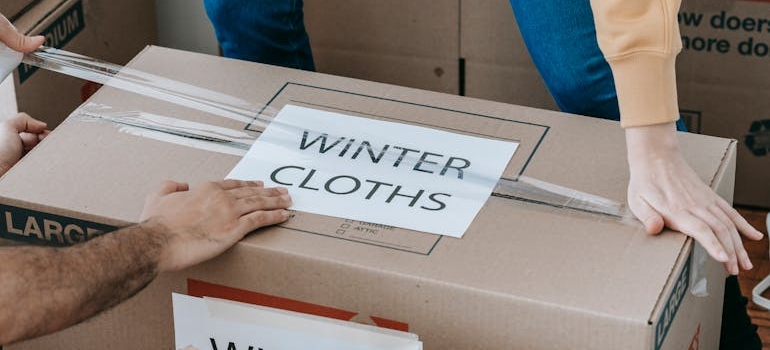
Do not forget the moving insurance
One often-overlooked expense associated with moving is moving insurance. When relocating valuable items or making a long-distance move, securing insurance can protect you from potential losses or damages. Many people wonder, do you need moving insurance? The answer largely depends on the value of your items and your risk tolerance. Basic coverage is often included by moving companies, but it only covers a limited dollar amount per pound, which may not fully protect your more valuable belongings. Opting for full-value protection or third-party insurance adds to your moving costs but you will feel stress-free.
The exact moving services you will need for the process
The moving services you choose will significantly impact your overall moving expenses. The type of services you need often depends on the details of your relocation. For instance, a local move may only require basic services, like loading and transportation. However, if you’re unsure which moving services to use when relocating locally, you can look into additional options such as packing, furniture assembly, or storage. Long-distance moves, on the other hand, often involve more complex needs. For instance, you might need extra packing for fragile or big items, climate-controlled storage, etc. Choosing only the services that fit your specific move helps manage costs.

It is important to know what are the expenses associated with moving
Planning for the expenses associated with moving ensures a smoother, less stressful relocation. Simply, you’ll avoid unexpected surprises and keep control over your finances. Whether your move is local or long-distance, take time to assess which expenses you truly need. A well-thought-out plan saves money and makes the entire process more efficient. As you prepare for your move, remember that a clear budget and informed choices are key to managing moving expenses wisely.