

Moving to an urban area is a big decision that requires careful planning. City life comes with excitement, opportunities, and challenges such as higher living costs, smaller spaces, and fast-paced routines. Before settling in, it is important to organize the moving process and make a strategy. One helpful resource is movers reviews, where you can find reliable and professional moving assistance for this process. By preparing with research and expert help, your transition to an urban area becomes smoother, less stressful, and more rewarding.
When moving to an urban area, understand the cost of living
Firstly, when you are planning to move to an urban area, one of the most important things to research is the cost of living. City costs such as buying/renting a home, utilities, groceries, and transportation often add up fast. So, without planning, they can strain your budget. Before committing, compare average housing prices across neighborhoods and factor in hidden costs like parking or local taxes. To make budgeting easier, consider requesting a free moving quote, which gives you a clear estimate of moving expenses and helps you prepare financially for city life.

Plan for housing options
Moving to an urban area also means balancing budget, space, and location. City housing is often smaller and more costly, so you need to decide what matters most—living closer to work, having extra room, or saving money by living slightly outside the city center. For example, if you are relocating to New Jersey, exploring the best places to buy a house in New Jersey can help you find affordable options while still enjoying the convenience of nearby urban living.
Learn about transportation
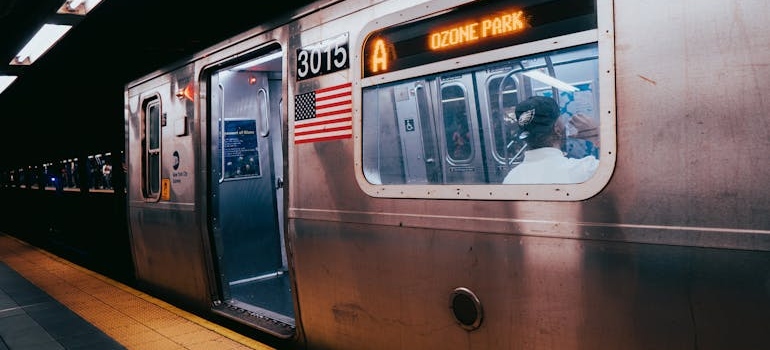
Now, one key factor to consider is transportation. Unlike smaller towns, cities offer a mix of options, from buses and trains to bike lanes and ride-share services. Understanding routes, costs, and travel times will help you choose the best neighborhood to live in and avoid daily stress. Many people save money and time by using public and urban transportation, which reduces the need for parking and high fuel costs. Testing out routes ahead of time ensures you can commute smoothly, stay punctual, and enjoy the convenience that city living provides.
Adapt to the new place
Keep in mind that it is important to embrace the pace, diversity, and opportunities of city life. The energy, crowds, and cultural mix may feel overwhelming at first, but getting involved with local communities helps ease the transition. Simple actions like joining clubs, attending neighborhood events, or volunteering can make you feel at home faster. Many newcomers go through the same process of adjusting to a new city, and with patience and openness, you can turn the challenges of relocation into rewarding experiences.
Ready to move to an urban area?
Moving to an urban area requires preparation, awareness, and flexibility. By understanding costs, planning housing, learning transportation systems, and adapting to your surroundings, you build a smoother path forward. Each step allows you to feel more confident and ready for the change. Start exploring your new community, connect with people, and approach the move with curiosity. With the right balance of planning and openness, your transition becomes less stressful and more exciting, turning the move into the start of a fresh and fulfilling chapter in your life.